
How Tea Bags Were Invented
Did you know the humble tea bag was actually invented by accident? It's true. The cozy little sachet you drop into your morning mug has a surprisingly fun origin story, one filled with happy mistakes, clever marketing, and a whole lot of evolution. Let's pour a cup, get comfy, and travel back in time to discover how the tea bag came to be (and where it's headed next).
The Happy Accident: How Tea Bags Were Invented in 1908
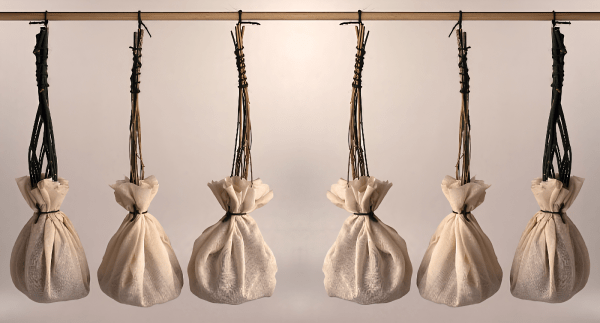
Our story begins in New York City in 1908 with a tea merchant named Thomas Sullivan. Sullivan was looking for a more affordable way to send tea samples to his customers, so he packaged small amounts of loose leaf tea inside little silk pouches and shipped them off.
Here's where it gets fun. Sullivan's customers weren't quite sure what to do with the silky little bundles. Instead of opening the pouches and brewing the loose leaves the traditional way, they simply dropped the entire pouch into hot water. And just like that, the tea bag was born.
Customers LOVED the convenience. They started writing back, asking for more pouches and even complaining when Sullivan switched to a finer mesh because the silk was "too dense" to brew properly. Sullivan, being the savvy businessman he was, listened. He started producing tea in gauze sachets specifically designed for steeping, and the tea bag began its rise to fame.
From Silk Pouches to Paper Bags: The Tea Bag Evolution
By the 1920s, tea bags had taken off in the United States. Silk and gauze were eventually swapped for cheaper, mass-produced filter paper, making tea bags accessible to households everywhere.
In 1944, the modern rectangular tea bag we all recognize today made its debut. It was simple, affordable, and convenient, perfect for the busy postwar lifestyle. Tea drinkers no longer needed strainers, infusers, or teapots. They could enjoy a cup of tea in minutes with almost no cleanup.
But here's a fun fact: while the tea bag was a smash hit in America, the United Kingdom was much slower to embrace it. The British were famously loyal to loose leaf tea and didn't fully warm up to tea bags until the 1970s. Today, tea bags account for an estimated 96% of all tea sold in the UK. How times change!
The Rise of Pyramid Sachets
Fast forward to the 1990s, and tea drinkers started craving something more. Flat paper tea bags worked, sure, but they cramped the tea leaves and limited the flavor. Enter the pyramid sachet: a roomier, more elegant design that gave whole leaf teas and herbs space to unfurl, dance, and release their full flavor.
Pyramid sachets quickly became the gold standard for premium tea. They combined the convenience of a tea bag with the quality of loose leaf brewing, making it possible to enjoy a sophisticated cup without any extra steeping hardware.
The Hidden Problem: Plastic in Tea Bags
Here's a part of tea bag history that often gets overlooked. As tea bags evolved, many manufacturers began sealing them with plastic (yes, really). Standard paper tea bags often contain polypropylene to keep them from falling apart in hot water, and many pyramid sachets were made from nylon or PET plastic.
That means every time you brewed a regular tea bag, you may have been steeping microplastics right into your cup. A 2019 study from McGill University even found that a single plastic tea bag can release billions of microplastic particles into a hot cup of tea. Yikes.
This discovery sparked a much-needed shift in the tea industry. Tea lovers everywhere started asking better questions about what their tea bags were really made of, and brands began returning to cleaner, more sustainable materials.
The Sustainable Future: Plastic-Free Pyramid Sachets
The good news? The tea world is finally circling back to where it started: clean, natural, plant-based packaging. Today's best tea bags are made from materials like non-GMO sugarcane, corn-based PLA, and unbleached paper, all designed to brew beautifully without leaching plastic into your cup.
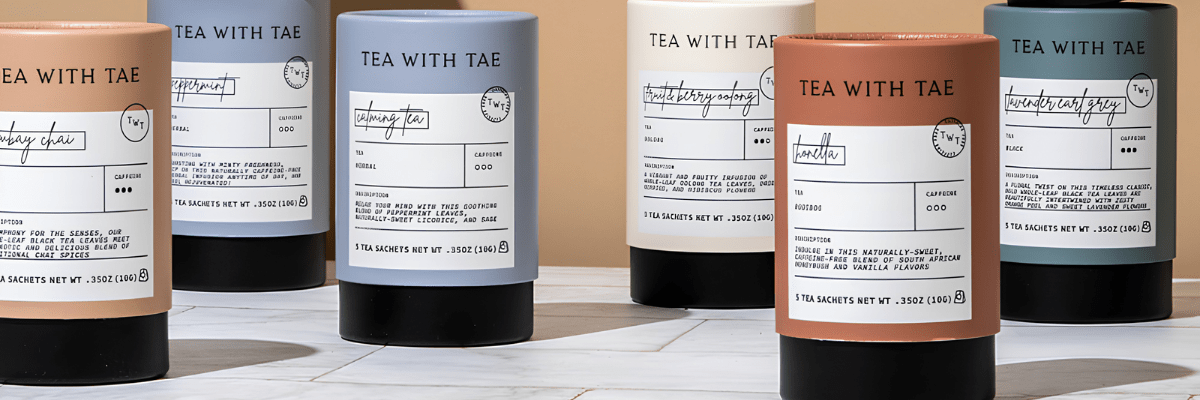
At Tea with Tae, our pyramid sachets are made from non-GMO sugarcane and contain NO petroleum-based microplastics. They're biodegradable, compostable, and designed to give whole leaf teas and herbs the room they need to shine. It's our way of honoring the tea bag's original spirit (convenience without compromise) while looking after the planet at the same time.
How Far We've Come (and Where We're Going)
From a tea merchant's accidental invention in 1908 to today's eco-friendly pyramid sachets, the tea bag has come a LONG way. What started as a clever shortcut has become a daily ritual for tea lovers around the world. And as more of us pay attention to what's in our cups (and what's left behind in our trash), the future of tea bags is only getting brighter, cleaner, and tastier.
So the next time you drop a sachet into your favorite mug, take a little moment to appreciate the journey. From silk pouches in New York City to plant-based pyramids on your countertop, every cup of tea carries a tiny piece of history. Pretty cozy thought, right?

Leave a comment
This site is protected by hCaptcha and the hCaptcha Privacy Policy and Terms of Service apply.