
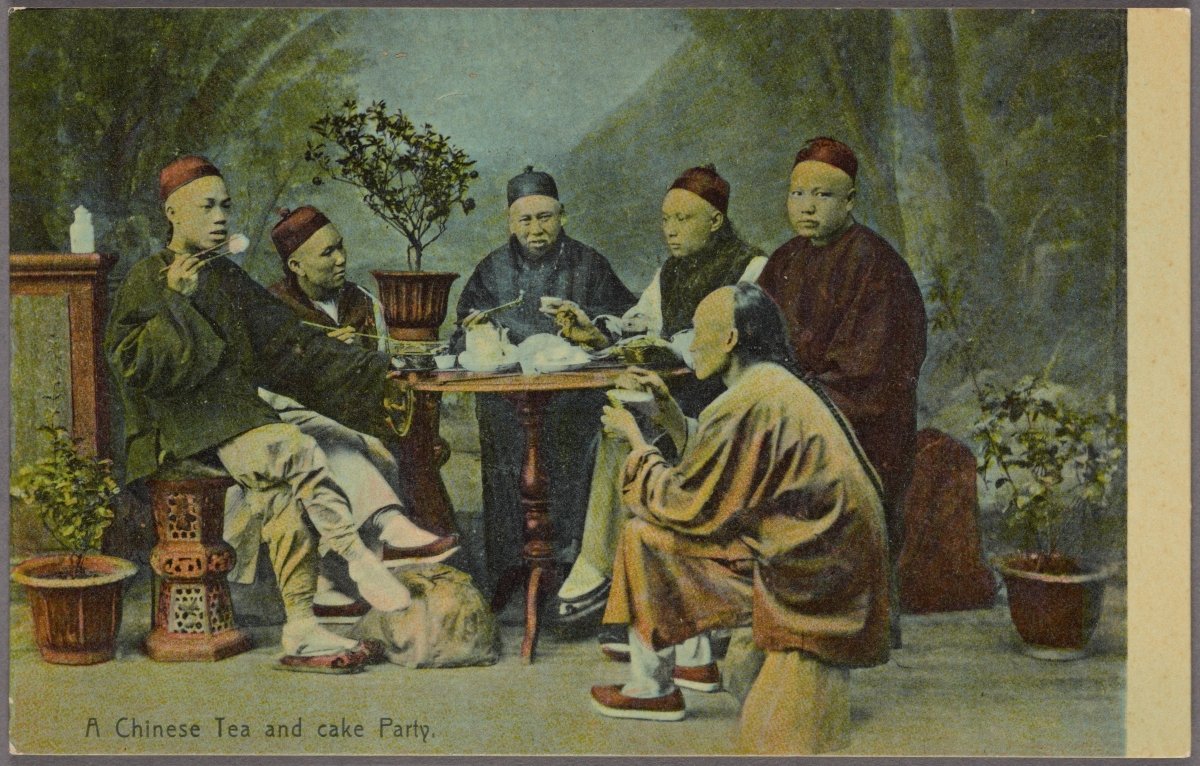
Tea Trade: The History That Changed the World
Did you know that the simple cup of tea on your kitchen counter helped shape entire empires, sparked revolutions, and connected continents long before the internet ever could? It's true. Tea isn't just a comforting drink. It's one of the most influential commodities in human history. So pour yourself a cup, get cozy, and let's travel through the rich, dramatic, and surprisingly delicious story of the global tea trade.
Where It All Began: Ancient China and the Birth of Tea
Our story starts more than 4,000 years ago in ancient China. According to legend, in 2737 BCE, Emperor Shen Nong was boiling water under a tree when a few leaves drifted into his pot. Curious, he took a sip and discovered an aromatic, refreshing brew. That tree? Camellia sinensis. The plant that gives us all true tea today.
For thousands of years, tea remained a treasured Chinese secret. It evolved from a medicinal herb into a daily beverage, eventually becoming so culturally significant that entire philosophies, ceremonies, and art forms grew around it. By the Tang Dynasty (618 to 907 CE), tea was so central to Chinese life that scholar Lu Yu wrote The Classic of Tea, the world's first known book about tea cultivation, preparation, and culture.
Tea Travels the Silk Road
Tea didn't stay in China for long. Along the legendary Silk Road, traders carried compressed bricks of tea westward, exchanging them for horses, spices, and silver. Tea reached Japan in the 9th century, where Buddhist monks embraced it for its calming, focus-enhancing effects. Out of this came the iconic Japanese tea ceremony, a ritual still practiced today.
Tea also moved into Tibet, Mongolia, and Central Asia, where it became so valuable it was literally used as currency.
The Dutch and Portuguese: Tea Reaches Europe
Fast forward to the early 1600s. The Dutch East India Company became the first to commercially import tea into Europe, with Portuguese traders close behind. At first, tea was a luxury reserved for the wealthy and the curious. Royals sipped it, scientists studied it, and the European elite quickly fell in love.
When Portuguese princess Catherine of Braganza married King Charles II of England in 1662, she brought her tea-drinking habit with her. And just like that, Britain's love affair with tea began.
Britain's Tea Obsession and the Rise of Afternoon Tea
By the 1700s, tea had become Britain's national drink. It was sipped in coffeehouses, served in homes, and traded by the chest-load. In 1840, Anna, the Duchess of Bedford, popularized a brand new ritual: afternoon tea, a light meal of tea, sandwiches, and pastries served between lunch and dinner. The tradition stuck, and today it remains one of the most beloved tea customs in the world.
But Britain's growing thirst for tea came at a steep price.
The Opium Wars: When Tea Sparked Conflict
Britain was importing massive amounts of tea from China but had little that China actually wanted in return. To balance the trade, British merchants began illegally smuggling opium into China. The result? Two devastating Opium Wars (1839 to 1842 and 1856 to 1860) that reshaped the global power balance and forever changed China's relationship with the West.
In the aftermath, Britain looked for a way to break China's monopoly on tea. The answer? Grow it elsewhere.
The Boston Tea Party: A Revolution Brewed in a Harbor
Meanwhile, across the Atlantic, tea was stirring up trouble of its own. In 1773, American colonists protested British taxation by famously dumping 342 chests of tea into Boston Harbor. The Boston Tea Party became a defining moment of the American Revolution and changed the course of modern democracy. All over a beverage!
Tea Comes to India: The Birth of Assam and Darjeeling
In the 1820s, British botanists discovered a native tea plant growing wild in Assam, India. Soon, vast tea plantations were established across Assam and Darjeeling, breaking China's centuries-long grip on tea production. By the late 1800s, India had become one of the largest tea producers in the world, and remains so today, alongside China, Kenya, and Sri Lanka.
Modern Global Tea Trade: A Truly Worldwide Cup
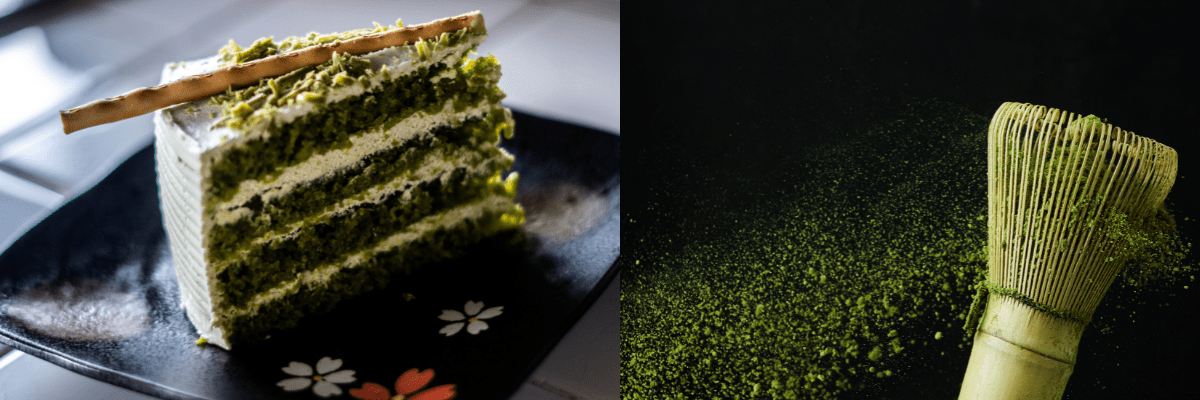
Today, tea is the second most consumed beverage on the planet, right after water. It's grown in over 60 countries, with the top producers including China, India, Kenya, Sri Lanka, Turkey, Vietnam, and Indonesia. From Japanese matcha to Kenyan black tea to Argentinian yerba mate, the modern tea trade is a beautifully diverse, globally connected industry.
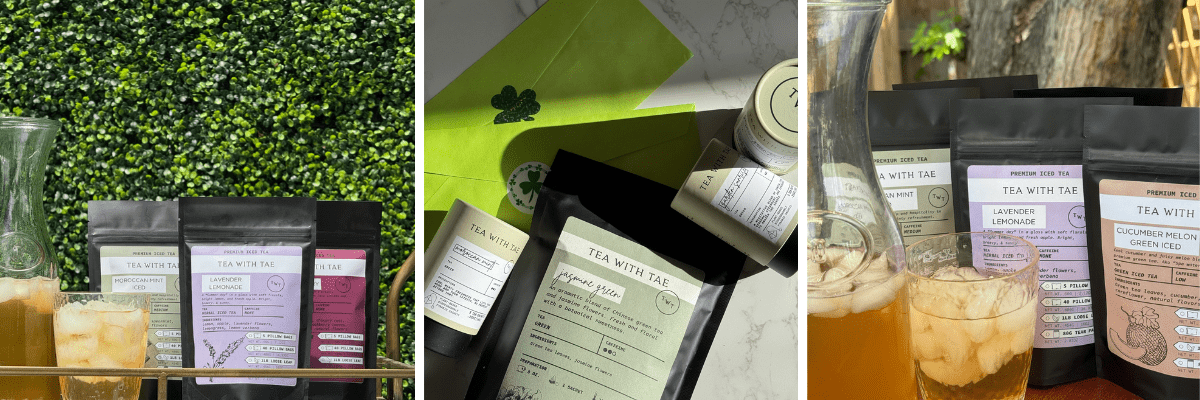
In 2023, the global tea market was valued at over $200 billion and is projected to keep growing as more people embrace tea for wellness, ritual, and flavor. Specialty tea brands (yes, like Tea with Tae!) are leading the way, focusing on whole leaf quality, ethical sourcing, sustainability, and modern, accessible packaging.
What was once a closely guarded secret of ancient China is now a daily comfort enjoyed by billions around the world. From the Silk Road to the Boston Harbor to your favorite mug, tea has truly shaped human history, one cup at a time.
Sip the World, One Cup at a Time
At Tea with Tae, we source our whole leaf teas and herbs from trusted regions around the world, honoring the rich history behind every blend. From classic black teas with roots in India to fresh herbal blends grown right here in the United States, every sip carries a little piece of the global tea story.
👉 Shop Tea with Tae's Globally Sourced Teas
Brew a cup, breathe deep, and join in on a tradition that has connected people across continents for thousands of years. Cheers to tea! 🍵

Leave a comment
This site is protected by hCaptcha and the hCaptcha Privacy Policy and Terms of Service apply.